
The Right Tools Actually Save Time — Here's What You Need
You don't need twenty products. But having the right ones makes a real difference. We break down what works and what doesn't.

Thing is, most people overcomplicate cleaning. They buy expensive brands, fancy gadgets, and cabinets full of products they'll never use. Then they wonder why cleaning still takes forever.
Here's what we've learned after years of managing homes: having the right tools actually cuts your cleaning time in half. Not fancy tools. Right tools. There's a difference.
This isn't about buying more. It's about being smart about what you choose.
What Actually Makes a Difference
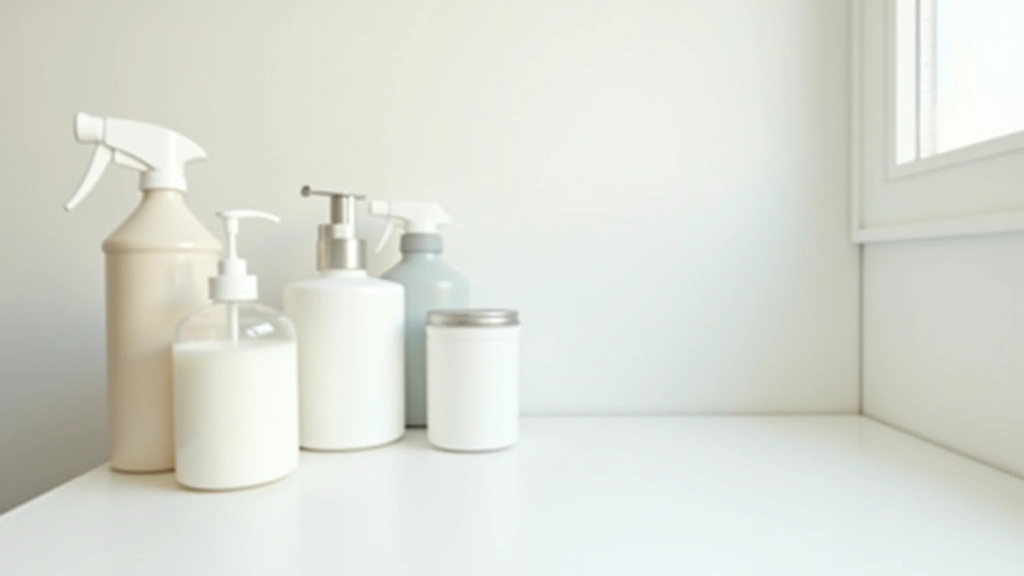
We're talking about five core items that do 80% of the work. Everything else is optional. Most homes don't need microfiber cloths in five different colors or specialized cleaners for every surface.
A decent vacuum
Not the cheapest, not the most expensive. Something that actually has suction and doesn't clog every five minutes. You'll use it twice a week minimum.
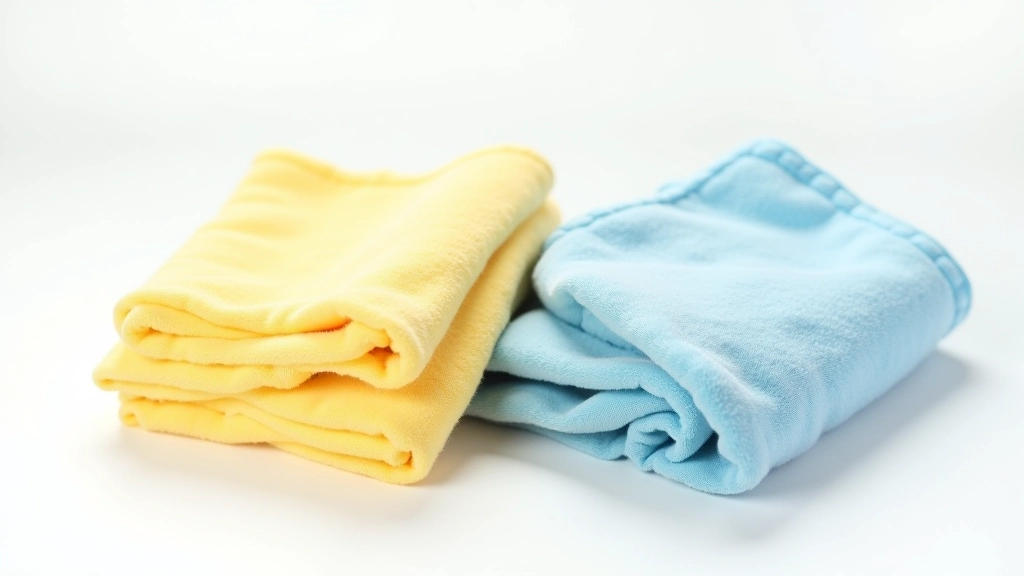
Microfiber cloths (3-4 good ones)
They work. Just work. Catch dust instead of spreading it. Dry without streaks. Buy decent quality once instead of cheap ones constantly.
One all-purpose cleaner
Surfaces, mirrors, glass. You don't need separate products for each. Pick one that doesn't smell like a chemical plant and you'll actually use it.
A scrub brush with decent bristles
Bathroom tiles, kitchen grout, stubborn spots. Spend a bit here. Cheap brushes shed and flatten after two uses.
A mop that doesn't smell
Wet mops that dry quickly prevent that mildewy smell. This one matters more than people think.

Quality Over Quantity Saves You Time
A cheap vacuum that clogs every fifteen minutes? You're wasting two hours of your week just cleaning the vacuum. A microfiber cloth that sheds? You're picking lint off surfaces instead of actually cleaning.
Better quality tools mean fewer repeats. They last longer too. A good microfiber cloth lasts 3-4 years. Cheap ones last three months. Do the math.
You don't need to spend a fortune. Mid-range quality is perfect. Spend $15-30 on a good cloth instead of $3 on a bad one. That's the actual difference.
Storage Matters More Than You'd Think
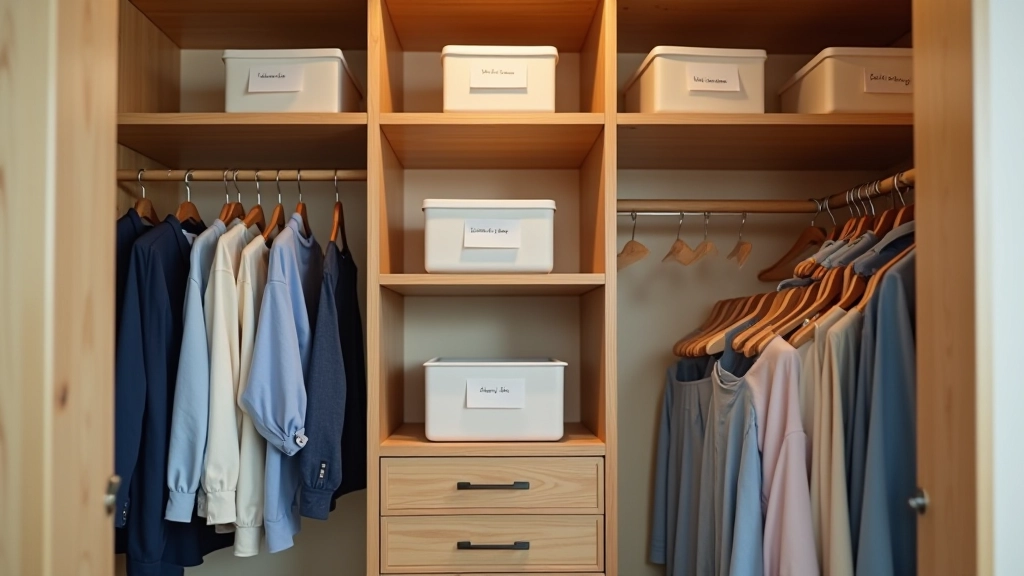
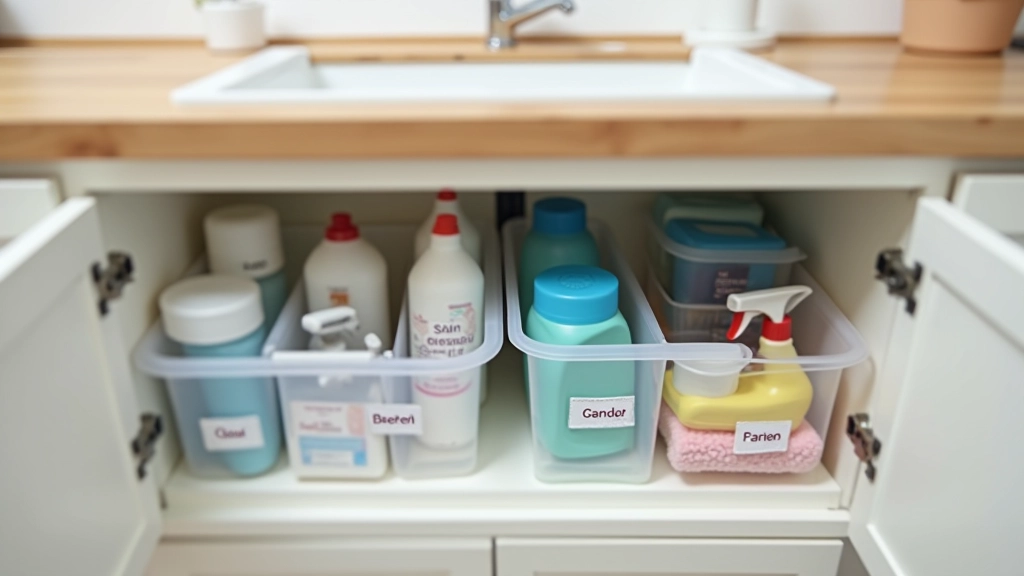
Here's something people don't talk about: where you keep your tools affects how fast you clean. If your supplies are scattered across three different rooms, you're wasting ten minutes just gathering everything.
A small cleaning caddy under the kitchen sink works. A plastic bin in the bathroom closet works. What doesn't work? Supplies spread everywhere.
Real example: We had a client spending 45 minutes on a typical bathroom. Everything was stored separately. After consolidating tools into one caddy that lived in the bathroom? Same bathroom, 20 minutes. The only change was organization.
Group items by room if your place is big. One caddy per bathroom, one for kitchen, one for living areas. Grab and go. That's the speed.
When to Replace What
Microfiber cloths: Replace when they start pilling or losing absorbency. Usually 2-3 years with regular use.
Mop heads: Every 6 months if you're cleaning weekly. More often if it starts smelling. Seriously, if your mop smells, replace it.
Brushes: When bristles get bent or matted. Probably once a year.
Vacuum: If it's not picking up like it used to and cleaning the filter didn't help, it's time. Usually 5-8 years depending on use.
All-purpose cleaner: Obviously when you run out. But pay attention if it's actually working. Some cheaper brands separate or get weird after a few months.
The honest truth? You'll spend maybe $80-120 per year replacing these items. That's cheaper than buying replacements for expensive specialty products you don't use.
Disclaimer: This article is for informational purposes about cleaning tools and methods. Individual results may vary based on your home's specific needs, materials, and condition. Always follow product instructions and test cleaners on inconspicuous areas first. If you have questions about cleaning specific materials or surfaces, consult professional cleaning services or material manufacturers.
The Real Time Savings
Let's be direct: buying better tools isn't about luxury. It's about efficiency. A person cleaning with five good items will finish faster than someone with fifteen mediocre ones.
You're not trying to impress anyone with your cleaning supplies. You're trying to actually clean your space in reasonable time.
Start with the five items we mentioned. Store them together. Replace them when they wear out. That's genuinely all you need. Everything else is marketing.
Want help setting up a cleaning system that actually works? Get in touch to discuss what would work best for your space.
Related Articles